Connected Realities: Layered experience as the new default
Topic:
CUSTOMER EXPERIENCE
Year:
14 Dec 2025
Experiences now have multiple lives.
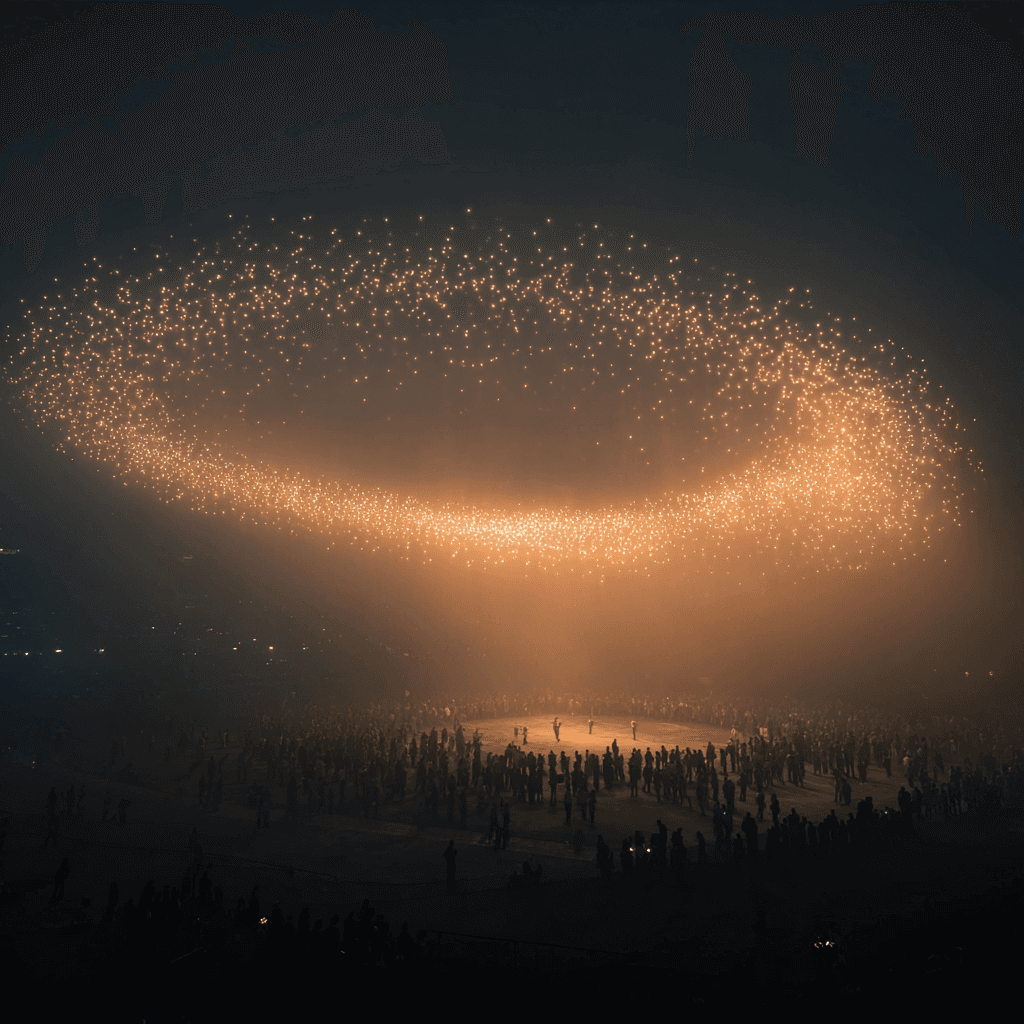
People no longer experience a moment on one surface. Treating digital as a separate phase after the build is finished is no longer workable. It produces disjointed behaviour and shallow sharing. Layered experience starts by accepting how people actually move through culture, switching between presence and capture, between private meaning and public signal.
This is why integration is not a distribution plan. It is a design principle. The physical layer must be strong enough to stand alone, otherwise the digital layer becomes compensatory and forced. The goal is coherence, one emotional thesis expressed across multiple contexts.

Layering should deepen, not complicate.
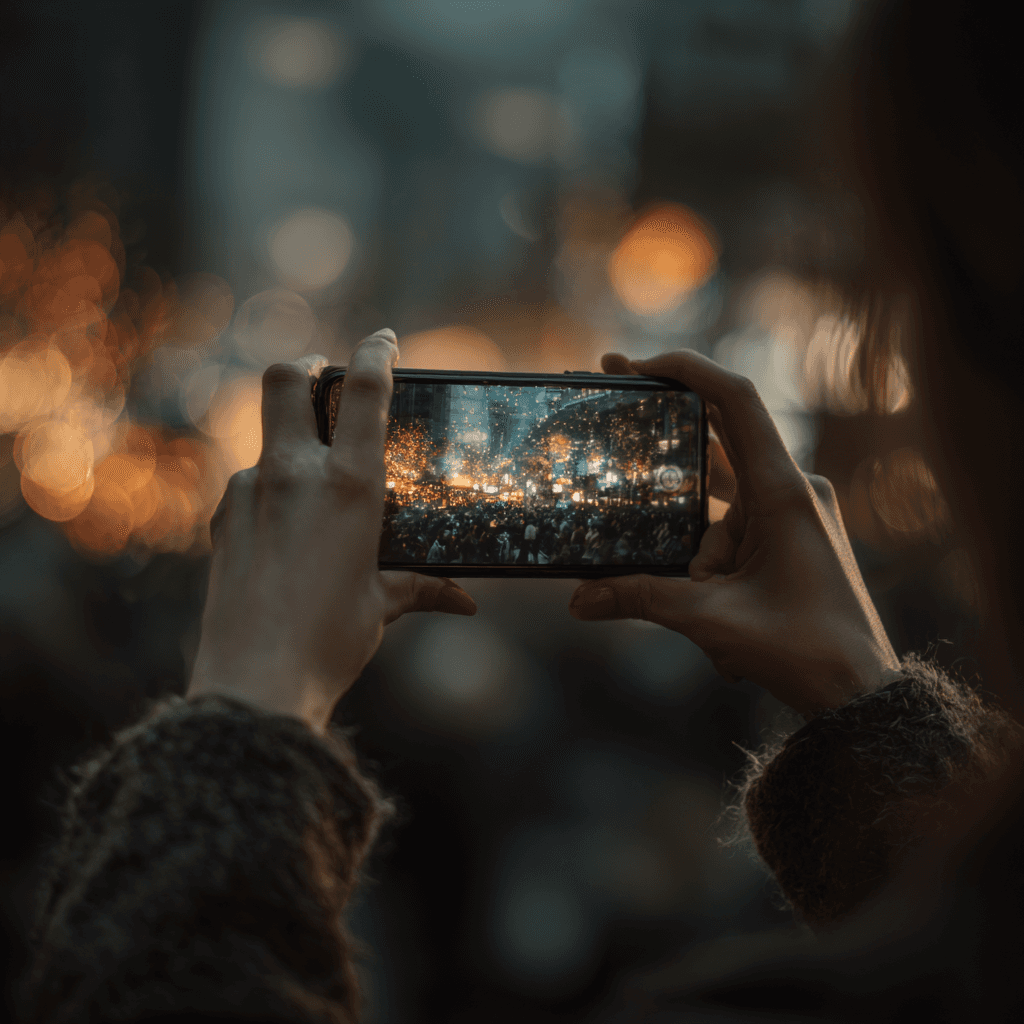
Layering is effective when each layer earns its place. The street level moment delivers atmosphere, craft, and human interaction. The digital layer extends the same feeling without changing the agenda. Social becomes the transport mechanism, not the objective. Community becomes the continuity, giving people a reason to return or re enter. In this model, OOH shifts from display to interface. Not through gimmicks, but through thoughtful participation that creates ownership. Ownership leads to sharing because it is personal, not because it is prompted.
The risk is complexity. A layered experience should feel simple to enter. The sophistication sits underneath in the alignment of details, timing, and behaviour. The future of experiences is not physical versus digital. It is one coherent reality with multiple touchpoints, designed to be human in every layer.
This is where Hypercurate® operates. We design physical experiences with their digital and social lives in mind, so what happens on the street behaves like one coherent reality, not a set of disconnected outputs.

Connected Realities: Layered experience as the new default
Topic:
CUSTOMER EXPERIENCE
Year:
14 Dec 2025
Experiences now have multiple lives.
People no longer experience a moment on one surface. Treating digital as a separate phase after the build is finished is no longer workable. It produces disjointed behaviour and shallow sharing. Layered experience starts by accepting how people actually move through culture, switching between presence and capture, between private meaning and public signal.
This is why integration is not a distribution plan. It is a design principle. The physical layer must be strong enough to stand alone, otherwise the digital layer becomes compensatory and forced. The goal is coherence, one emotional thesis expressed across multiple contexts.
Layering should deepen, not complicate.
Layering is effective when each layer earns its place. The street level moment delivers atmosphere, craft, and human interaction. The digital layer extends the same feeling without changing the agenda. Social becomes the transport mechanism, not the objective. Community becomes the continuity, giving people a reason to return or re enter. In this model, OOH shifts from display to interface. Not through gimmicks, but through thoughtful participation that creates ownership. Ownership leads to sharing because it is personal, not because it is prompted.
The risk is complexity. A layered experience should feel simple to enter. The sophistication sits underneath in the alignment of details, timing, and behaviour. The future of experiences is not physical versus digital. It is one coherent reality with multiple touchpoints, designed to be human in every layer.
This is where Hypercurate® operates. We design physical experiences with their digital and social lives in mind, so what happens on the street behaves like one coherent reality, not a set of disconnected outputs.
Connected Realities: Layered experience as the new default
Topic:
CUSTOMER EXPERIENCE
Year:
14 Dec 2025
Experiences now have multiple lives.
People no longer experience a moment on one surface. Treating digital as a separate phase after the build is finished is no longer workable. It produces disjointed behaviour and shallow sharing. Layered experience starts by accepting how people actually move through culture, switching between presence and capture, between private meaning and public signal.
This is why integration is not a distribution plan. It is a design principle. The physical layer must be strong enough to stand alone, otherwise the digital layer becomes compensatory and forced. The goal is coherence, one emotional thesis expressed across multiple contexts.
Layering should deepen, not complicate.
Layering is effective when each layer earns its place. The street level moment delivers atmosphere, craft, and human interaction. The digital layer extends the same feeling without changing the agenda. Social becomes the transport mechanism, not the objective. Community becomes the continuity, giving people a reason to return or re enter. In this model, OOH shifts from display to interface. Not through gimmicks, but through thoughtful participation that creates ownership. Ownership leads to sharing because it is personal, not because it is prompted.
The risk is complexity. A layered experience should feel simple to enter. The sophistication sits underneath in the alignment of details, timing, and behaviour. The future of experiences is not physical versus digital. It is one coherent reality with multiple touchpoints, designed to be human in every layer.
This is where Hypercurate® operates. We design physical experiences with their digital and social lives in mind, so what happens on the street behaves like one coherent reality, not a set of disconnected outputs.