
From Attention to Connection: Designing for felt recall
Topic:
BRAND EXPERIENCE
Year:
07 Dec 2025
Exposure is not relationship.
Attention can be purchased. Connection must be earned. For years, the industry has optimised toward what is easy to count, views, impressions, reach. Those measures describe contact, not impact. They tell us someone passed by, not whether anything stayed. Connection asks for different signals, time spent, participation, return behaviour, and the kind of retelling that happens without prompting. These are not soft outcomes. They are the indicators that a brand has created meaning rather than noise.
This is the shift Hypercurate® keeps returning to. Brands are remembered for how they make people feel, not how loudly they speak. When we design for feeling, we stop chasing attention as a commodity and start treating it as a relationship.
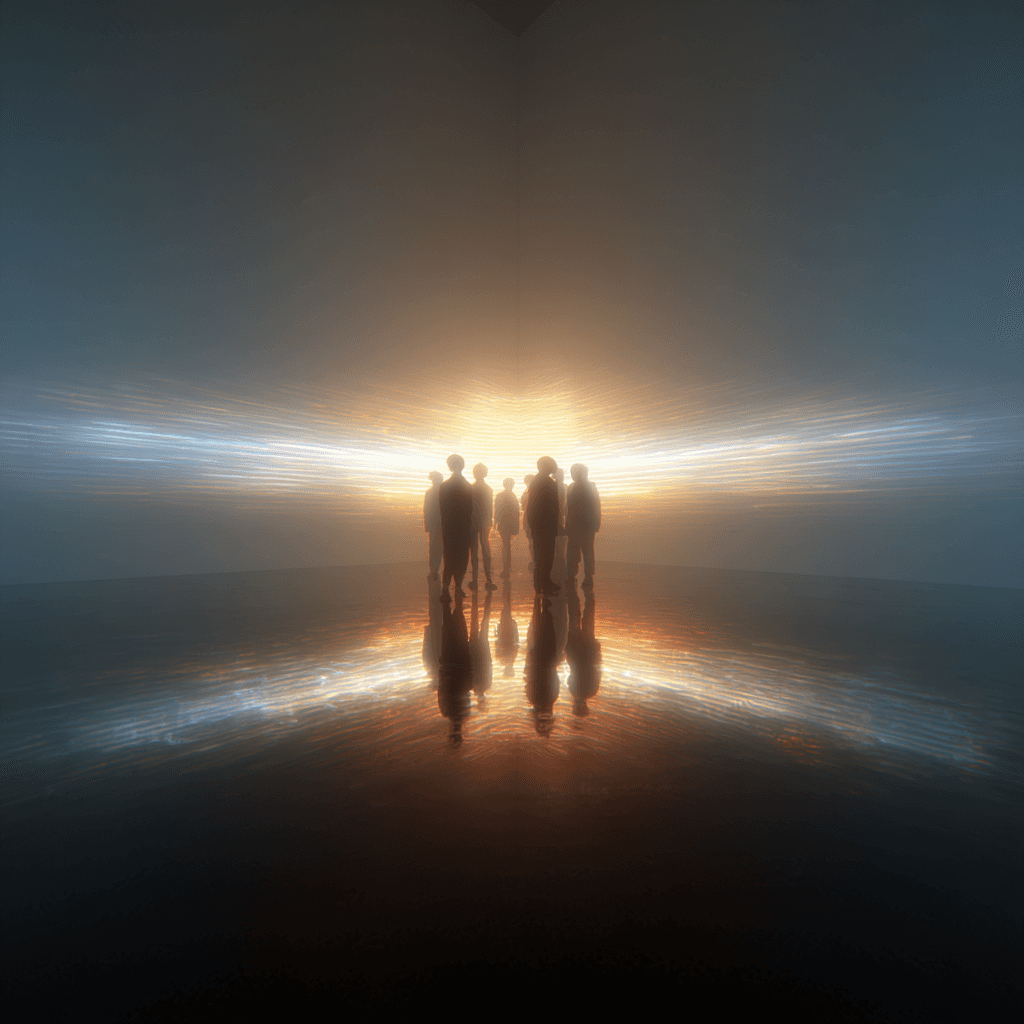

Participation is proof of relevance.
OOH and experiential can lead this change because they operate where attention has friction. If someone stops, enters, waits, or engages, they have made a choice with their body. That choice is the closest thing we have to proof that the moment deserved time. But participation is not earned by interactivity alone. It is earned by cultural alignment, by respect for context, and by craft that feels confident rather than performative.
Connection becomes durable when integration supports it. The physical moment delivers the emotional core. Digital extends the same feeling into daily behaviour. Social carries it as identity rather than content. Community gives it continuity, so the experience can be revisited, not just documented. The target is not maximum visibility. The target is lasting recall, the kind that returns later in conversation, in preference, and in trust.


Other articles
S.1
From Attention to Connection: Designing for felt recall
Topic:
BRAND EXPERIENCE
Year:
07 Dec 2025
Exposure is not relationship.
Attention can be purchased. Connection must be earned. For years, the industry has optimised toward what is easy to count, views, impressions, reach. Those measures describe contact, not impact. They tell us someone passed by, not whether anything stayed. Connection asks for different signals, time spent, participation, return behaviour, and the kind of retelling that happens without prompting. These are not soft outcomes. They are the indicators that a brand has created meaning rather than noise.
This is the shift Hypercurate® keeps returning to. Brands are remembered for how they make people feel, not how loudly they speak. When we design for feeling, we stop chasing attention as a commodity and start treating it as a relationship.
Participation is proof of relevance.
OOH and experiential can lead this change because they operate where attention has friction. If someone stops, enters, waits, or engages, they have made a choice with their body. That choice is the closest thing we have to proof that the moment deserved time. But participation is not earned by interactivity alone. It is earned by cultural alignment, by respect for context, and by craft that feels confident rather than performative.
Connection becomes durable when integration supports it. The physical moment delivers the emotional core. Digital extends the same feeling into daily behaviour. Social carries it as identity rather than content. Community gives it continuity, so the experience can be revisited, not just documented. The target is not maximum visibility. The target is lasting recall, the kind that returns later in conversation, in preference, and in trust.
Other articles
S.1
From Attention to Connection: Designing for felt recall
Topic:
BRAND EXPERIENCE
Year:
07 Dec 2025
Exposure is not relationship.
Attention can be purchased. Connection must be earned. For years, the industry has optimised toward what is easy to count, views, impressions, reach. Those measures describe contact, not impact. They tell us someone passed by, not whether anything stayed. Connection asks for different signals, time spent, participation, return behaviour, and the kind of retelling that happens without prompting. These are not soft outcomes. They are the indicators that a brand has created meaning rather than noise.
This is the shift Hypercurate® keeps returning to. Brands are remembered for how they make people feel, not how loudly they speak. When we design for feeling, we stop chasing attention as a commodity and start treating it as a relationship.
Participation is proof of relevance.
OOH and experiential can lead this change because they operate where attention has friction. If someone stops, enters, waits, or engages, they have made a choice with their body. That choice is the closest thing we have to proof that the moment deserved time. But participation is not earned by interactivity alone. It is earned by cultural alignment, by respect for context, and by craft that feels confident rather than performative.
Connection becomes durable when integration supports it. The physical moment delivers the emotional core. Digital extends the same feeling into daily behaviour. Social carries it as identity rather than content. Community gives it continuity, so the experience can be revisited, not just documented. The target is not maximum visibility. The target is lasting recall, the kind that returns later in conversation, in preference, and in trust.
Other articles
S.1