The Art of Curation: The new form of customisation
Topic:
CURATION
Year:
04 Jan 2026
Taste is the operating system.
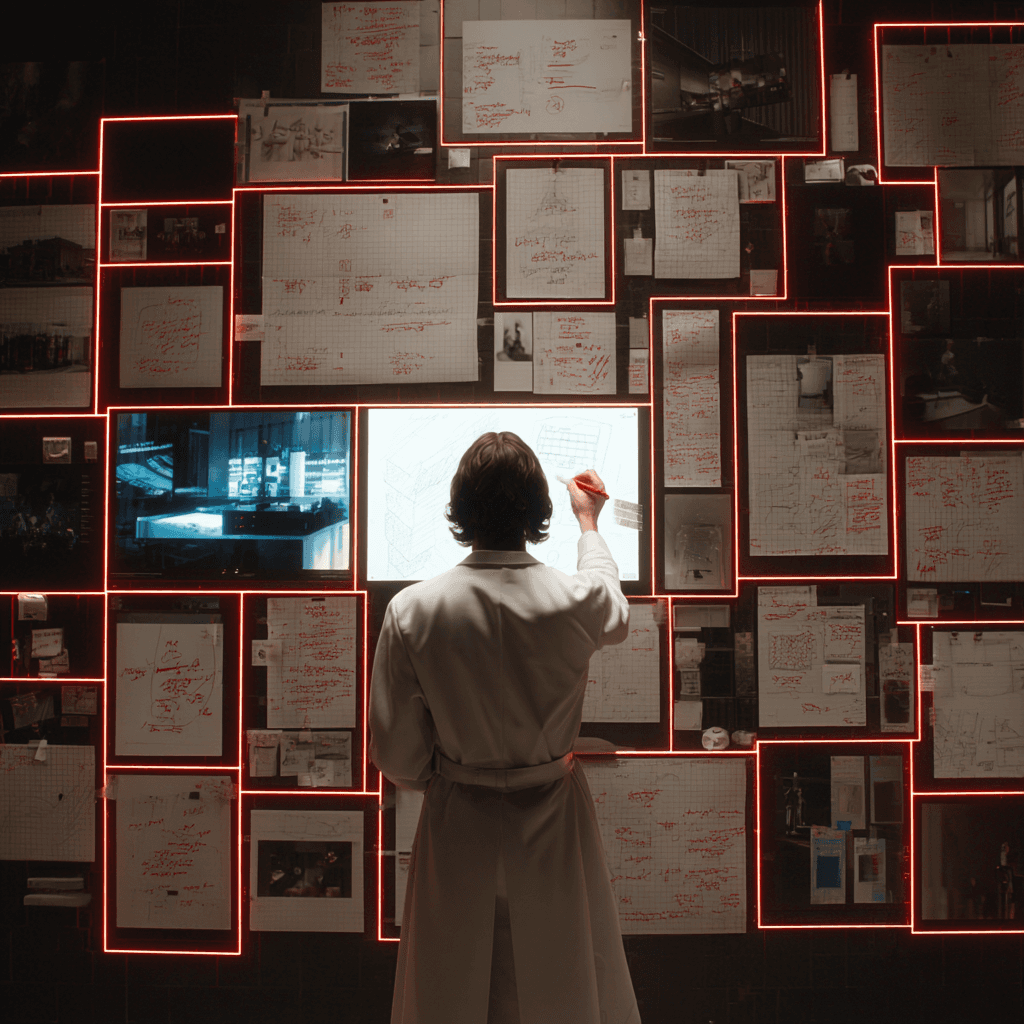
Curation has shifted from aesthetic choice to organisational capability. When media supply is effectively infinite, distribution stops being the differentiator and judgment becomes the advantage. The brands that feel contemporary are not the ones producing the most, they are the ones making the clearest selections with the fewest compromises. Curation is where strategy becomes visible. It turns ambition into a hierarchy, so every touchpoint carries intent rather than information. That discipline is not restrictive. It is the mechanism that prevents brand behaviour from drifting into reactive output, trend mimicry, or surface level experimentation.
Good curation is also compositional. It is pacing, contrast, and negative space. It builds tension and release. It creates a recognisable cadence across channels, environments, and moments. This is why curation is inseparable from authenticity. Alignment is not proven by claims, it is inferred from consistent choices that hold up under context. When a brand curates well, the audience does not feel targeted. They feel understood.
Memory is built through restraint and precision.
OOH and experiential are where curation either becomes tangible or collapses. Public space does not offer the luxury of endless iterations. A passerby gives seconds, not minutes, and that time is paid with real movement and attention. A curated experience respects that cost by committing to one emotional thesis and building everything around it. It avoids the temptation to explain, to stack messages, or to add interactive features that exist only to demonstrate novelty. The goal is not maximal stimulation. The goal is lasting recall.
This is where integration matters. A curated physical moment should generate digital behaviour naturally because it feels authored, not engineered. People share what they want to be associated with. Curation gives them a clean signal of identity, taste, and belonging. Over time, this compounds. A campaign ends, but an editorial standard becomes a reputation. In a world where everyone can publish, the brands that endure are the ones that can decide.
This is also where Hypercurate® work lives. We help brands define an editorial standard that can survive reality: the street, the venue, the camera frame, and the repost. The goal is not to build more touchpoints. It is to build one emotional thesis strong enough to travel across them. Precision creates a clean signal. Clean signals get remembered.
Other articles
S.1
The Art of Curation: The new form of customisation
Topic:
CURATION
Year:
04 Jan 2026
Taste is the operating system.
Curation has shifted from aesthetic choice to organisational capability. When media supply is effectively infinite, distribution stops being the differentiator and judgment becomes the advantage. The brands that feel contemporary are not the ones producing the most, they are the ones making the clearest selections with the fewest compromises. Curation is where strategy becomes visible. It turns ambition into a hierarchy, so every touchpoint carries intent rather than information. That discipline is not restrictive. It is the mechanism that prevents brand behaviour from drifting into reactive output, trend mimicry, or surface level experimentation.
Good curation is also compositional. It is pacing, contrast, and negative space. It builds tension and release. It creates a recognisable cadence across channels, environments, and moments. This is why curation is inseparable from authenticity. Alignment is not proven by claims, it is inferred from consistent choices that hold up under context. When a brand curates well, the audience does not feel targeted. They feel understood.
Memory is built through restraint and precision.
OOH and experiential are where curation either becomes tangible or collapses. Public space does not offer the luxury of endless iterations. A passerby gives seconds, not minutes, and that time is paid with real movement and attention. A curated experience respects that cost by committing to one emotional thesis and building everything around it. It avoids the temptation to explain, to stack messages, or to add interactive features that exist only to demonstrate novelty. The goal is not maximal stimulation. The goal is lasting recall.
This is where integration matters. A curated physical moment should generate digital behaviour naturally because it feels authored, not engineered. People share what they want to be associated with. Curation gives them a clean signal of identity, taste, and belonging. Over time, this compounds. A campaign ends, but an editorial standard becomes a reputation. In a world where everyone can publish, the brands that endure are the ones that can decide.
This is also where Hypercurate® work lives. We help brands define an editorial standard that can survive reality: the street, the venue, the camera frame, and the repost. The goal is not to build more touchpoints. It is to build one emotional thesis strong enough to travel across them. Precision creates a clean signal. Clean signals get remembered.
Other articles
S.1
The Art of Curation: The new form of customisation
Topic:
CURATION
Year:
04 Jan 2026
Taste is the operating system.
Curation has shifted from aesthetic choice to organisational capability. When media supply is effectively infinite, distribution stops being the differentiator and judgment becomes the advantage. The brands that feel contemporary are not the ones producing the most, they are the ones making the clearest selections with the fewest compromises. Curation is where strategy becomes visible. It turns ambition into a hierarchy, so every touchpoint carries intent rather than information. That discipline is not restrictive. It is the mechanism that prevents brand behaviour from drifting into reactive output, trend mimicry, or surface level experimentation.
Good curation is also compositional. It is pacing, contrast, and negative space. It builds tension and release. It creates a recognisable cadence across channels, environments, and moments. This is why curation is inseparable from authenticity. Alignment is not proven by claims, it is inferred from consistent choices that hold up under context. When a brand curates well, the audience does not feel targeted. They feel understood.
Memory is built through restraint and precision.
OOH and experiential are where curation either becomes tangible or collapses. Public space does not offer the luxury of endless iterations. A passerby gives seconds, not minutes, and that time is paid with real movement and attention. A curated experience respects that cost by committing to one emotional thesis and building everything around it. It avoids the temptation to explain, to stack messages, or to add interactive features that exist only to demonstrate novelty. The goal is not maximal stimulation. The goal is lasting recall.
This is where integration matters. A curated physical moment should generate digital behaviour naturally because it feels authored, not engineered. People share what they want to be associated with. Curation gives them a clean signal of identity, taste, and belonging. Over time, this compounds. A campaign ends, but an editorial standard becomes a reputation. In a world where everyone can publish, the brands that endure are the ones that can decide.
This is also where Hypercurate® work lives. We help brands define an editorial standard that can survive reality: the street, the venue, the camera frame, and the repost. The goal is not to build more touchpoints. It is to build one emotional thesis strong enough to travel across them. Precision creates a clean signal. Clean signals get remembered.
Other articles
S.1