A Curator for the Modern Marketeer: Coherence across channels and culture
Topic:
INDUSTRY OPERATIONS
Year:
11 Jan 2026
Output is not organisation.
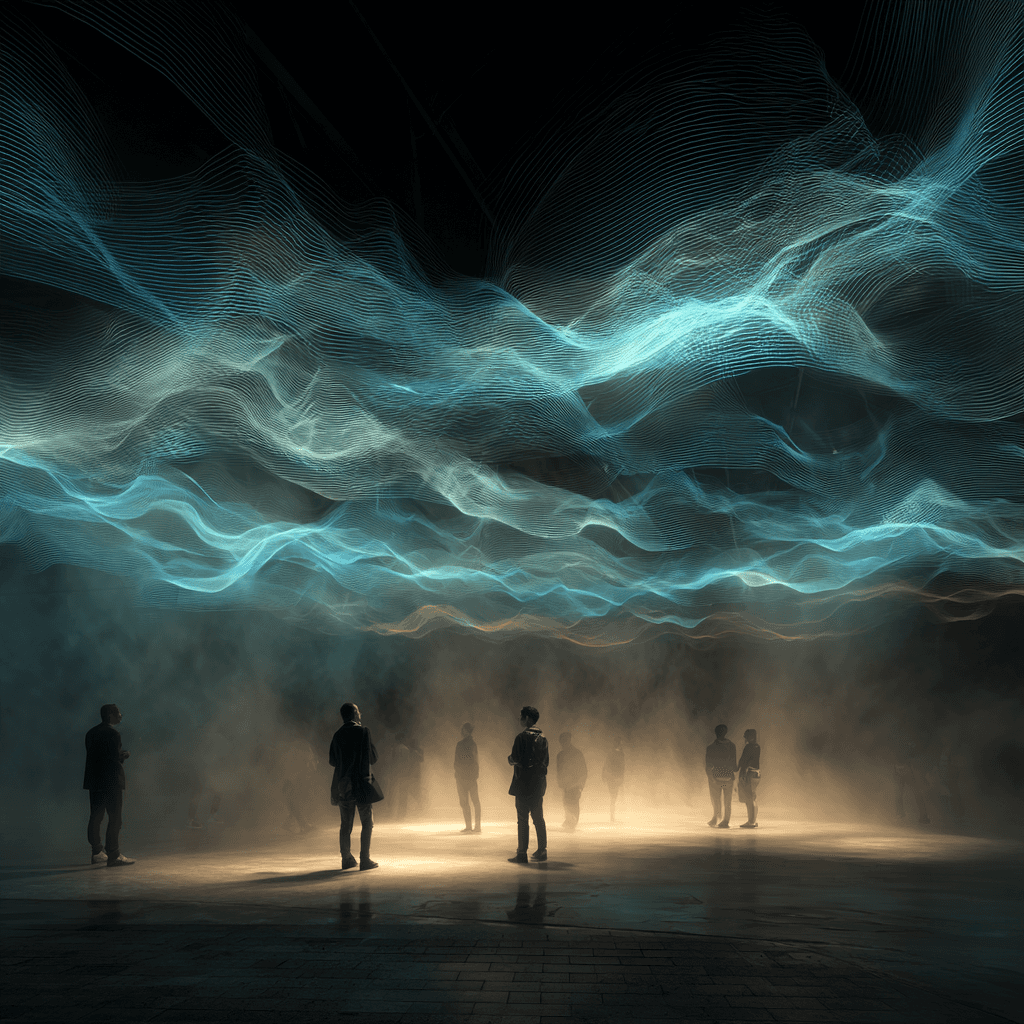
Marketing now spans culture, creators, retail, platforms, live experience, and community. Many teams are still structured as if the job is campaign delivery, when the job has quietly become ecosystem stewardship. The gap shows up as fragmentation. A strong idea becomes diluted across stakeholders, agencies, and timelines until it turns into a checklist of assets. The brand looks active, but it does not feel authored. In that environment, more content is not a remedy. It is a multiplier for inconsistency.
This is why the curator function is emerging, whether teams name it or not. Not a gatekeeper, a synthesiser. Someone accountable for coherence, pacing, and standards across every surface. The curator defines what is on brief in a way that survives translation. They protect the brand’s cultural posture, not through slogans, but through repeatable decisions. They reduce noise by making choices early and defending them with taste.
At Hypercurate®, this is a core service. We act as that editorial layer between ambition and execution, so what gets built in physical space still makes sense online, and what travels online still feels true to the live moment.
Integration is the work, not the afterthought.
Authenticity is rarely in the statement. It is in the pattern. People decide whether a brand belongs by watching how it behaves across contexts, especially when it is under pressure. This is why integration cannot be a post production step. It has to be baked into the concept. Not as a content plan, but as a design principle.
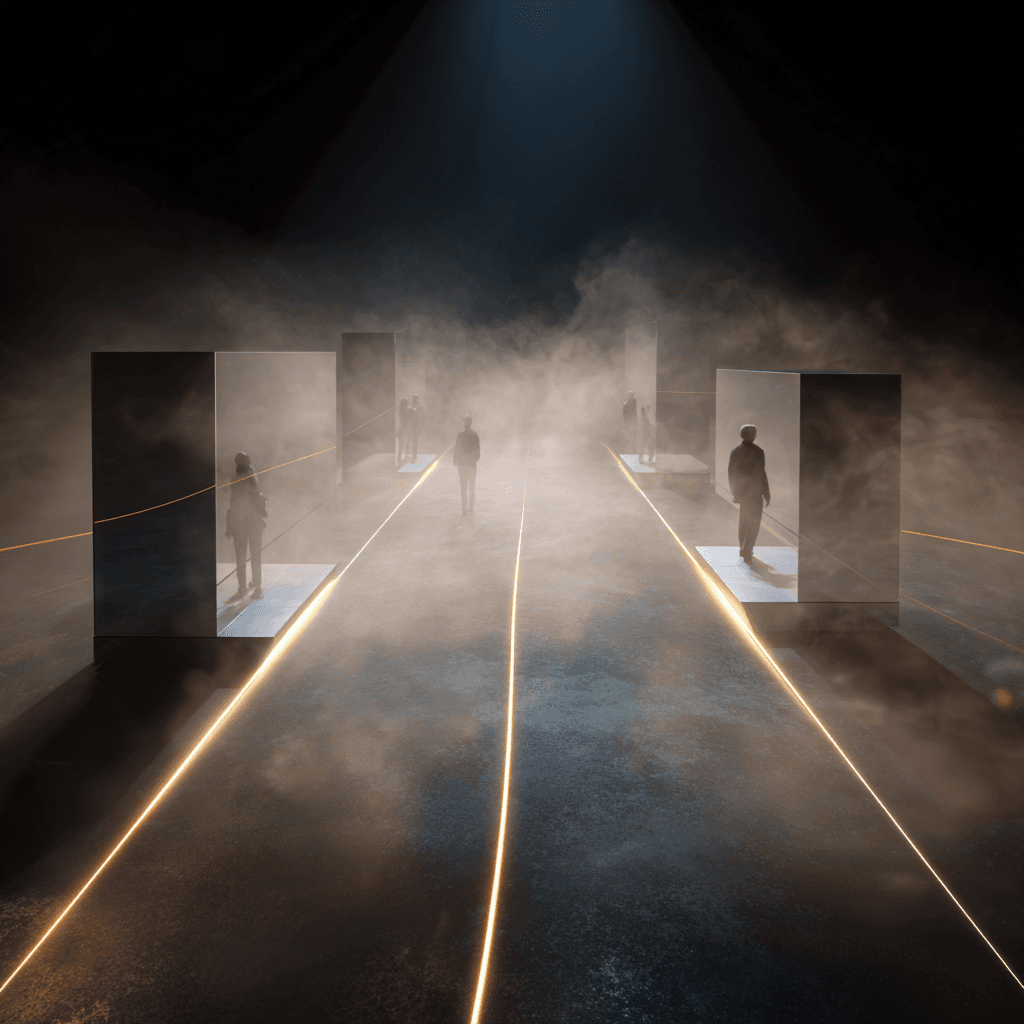
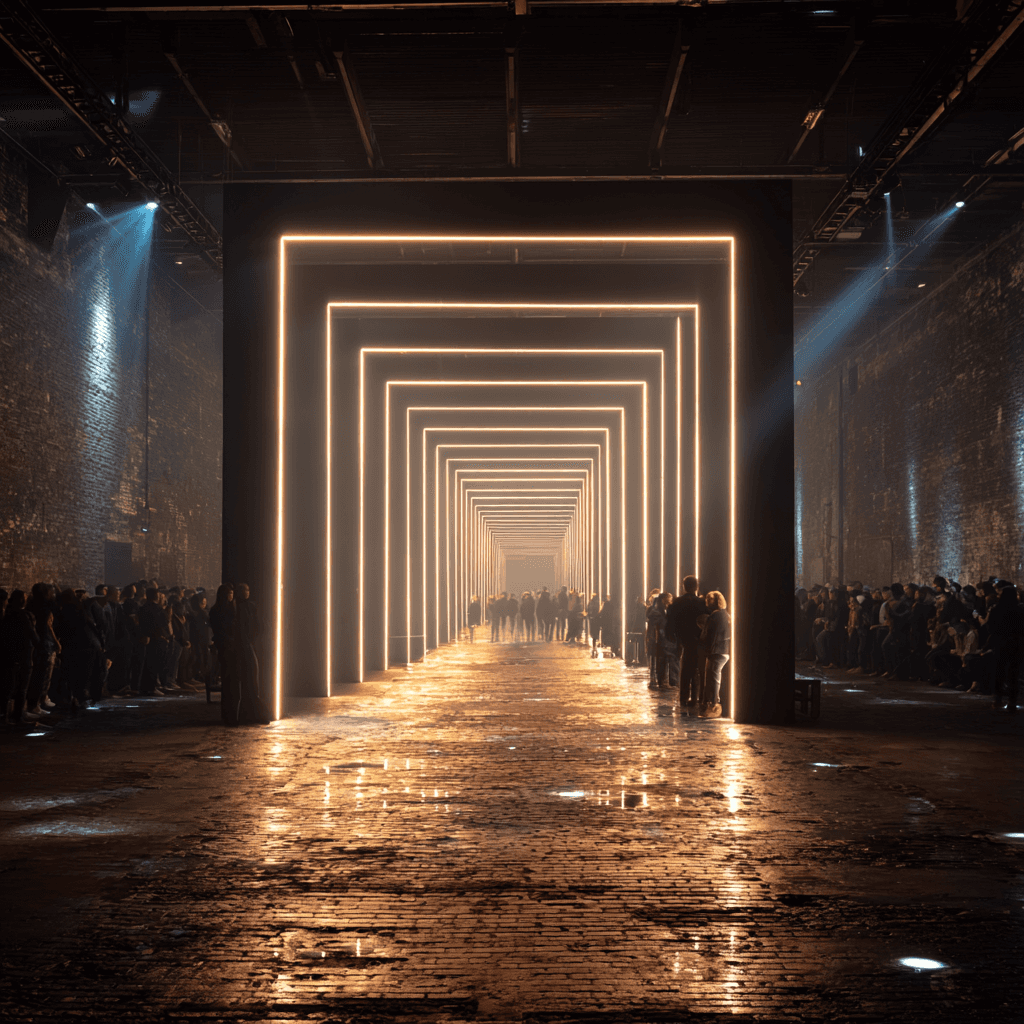
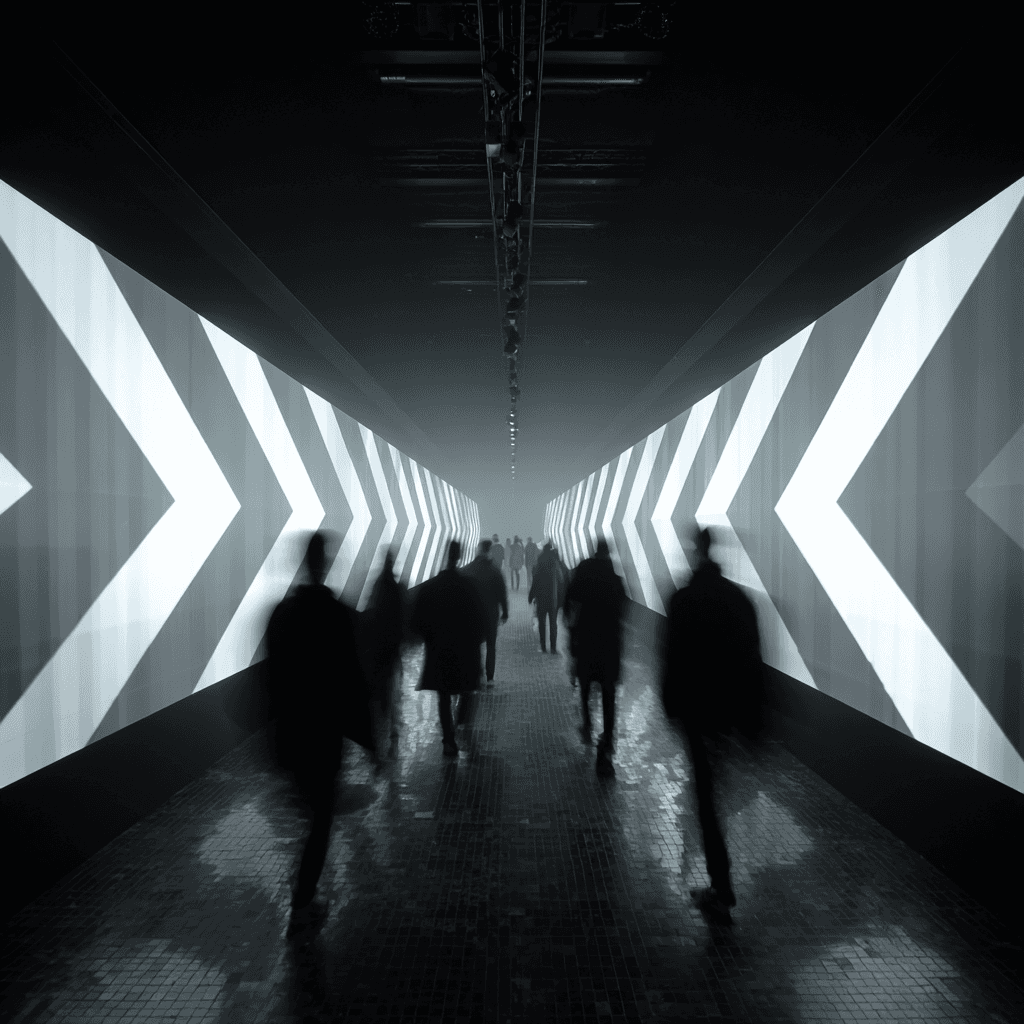
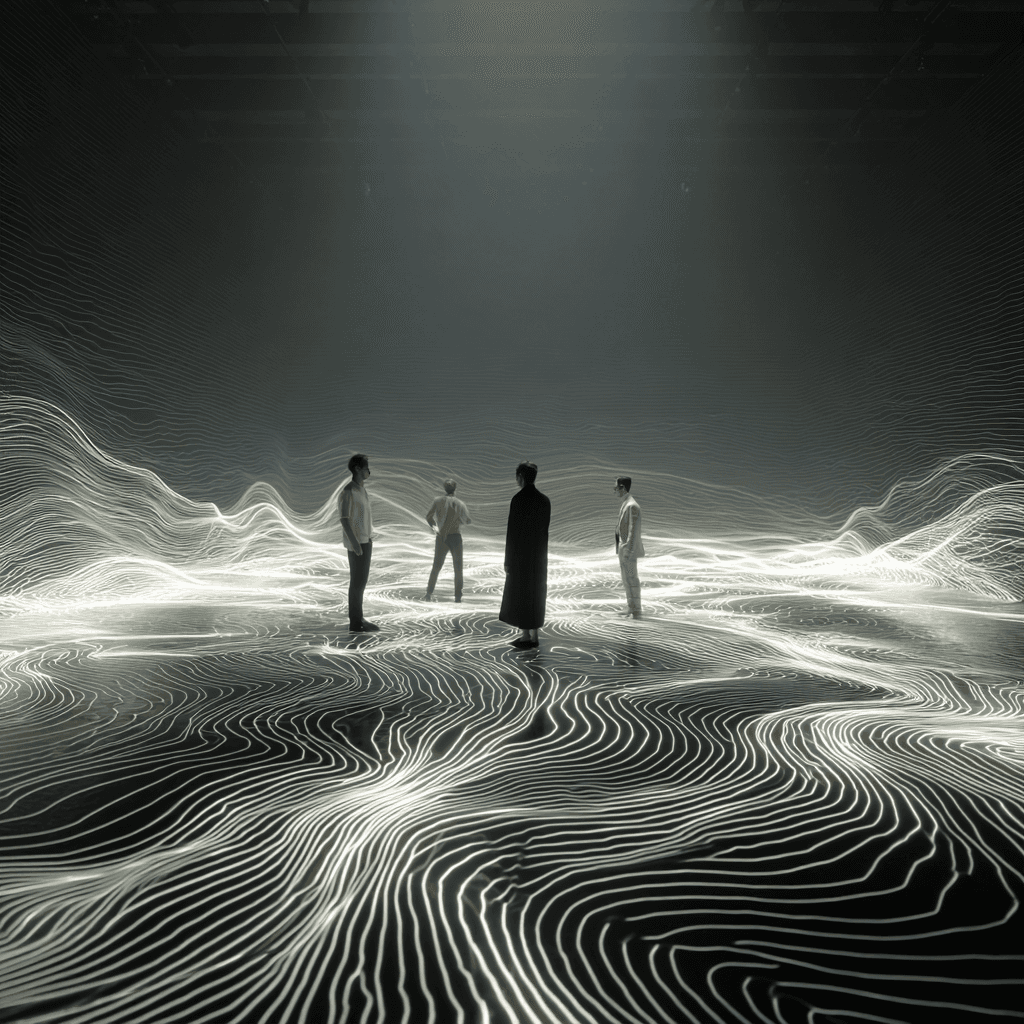
For experiential and OOH, the curator standard becomes decisive. Physical moments are binary. They either create feeling, or they do not. Without a standard, brands default to spectacle that looks expensive but leaves little residue. With curation, experiences are designed for human movement, timing, and participation, then extended into digital and social behaviour in a way that feels natural, not engineered.
This is the future of brand behaviour: participatory, integrated, and human. Not more channels managed separately, but one coherent system that earns attention through experience and holds it through meaning.
Other articles
S.1

A Curator for the Modern Marketeer: Coherence across channels and culture
Topic:
INDUSTRY OPERATIONS
Year:
11 Jan 2026
Output is not organisation.
Marketing now spans culture, creators, retail, platforms, live experience, and community. Many teams are still structured as if the job is campaign delivery, when the job has quietly become ecosystem stewardship. The gap shows up as fragmentation. A strong idea becomes diluted across stakeholders, agencies, and timelines until it turns into a checklist of assets. The brand looks active, but it does not feel authored. In that environment, more content is not a remedy. It is a multiplier for inconsistency.
This is why the curator function is emerging, whether teams name it or not. Not a gatekeeper, a synthesiser. Someone accountable for coherence, pacing, and standards across every surface. The curator defines what is on brief in a way that survives translation. They protect the brand’s cultural posture, not through slogans, but through repeatable decisions. They reduce noise by making choices early and defending them with taste.
At Hypercurate®, this is a core service. We act as that editorial layer between ambition and execution, so what gets built in physical space still makes sense online, and what travels online still feels true to the live moment.
Integration is the work, not the afterthought.
Authenticity is rarely in the statement. It is in the pattern. People decide whether a brand belongs by watching how it behaves across contexts, especially when it is under pressure. This is why integration cannot be a post production step. It has to be baked into the concept. Not as a content plan, but as a design principle.
For experiential and OOH, the curator standard becomes decisive. Physical moments are binary. They either create feeling, or they do not. Without a standard, brands default to spectacle that looks expensive but leaves little residue. With curation, experiences are designed for human movement, timing, and participation, then extended into digital and social behaviour in a way that feels natural, not engineered.
This is the future of brand behaviour: participatory, integrated, and human. Not more channels managed separately, but one coherent system that earns attention through experience and holds it through meaning.
Other articles
S.1
A Curator for the Modern Marketeer: Coherence across channels and culture
Topic:
INDUSTRY OPERATIONS
Year:
11 Jan 2026
Output is not organisation.
Marketing now spans culture, creators, retail, platforms, live experience, and community. Many teams are still structured as if the job is campaign delivery, when the job has quietly become ecosystem stewardship. The gap shows up as fragmentation. A strong idea becomes diluted across stakeholders, agencies, and timelines until it turns into a checklist of assets. The brand looks active, but it does not feel authored. In that environment, more content is not a remedy. It is a multiplier for inconsistency.
This is why the curator function is emerging, whether teams name it or not. Not a gatekeeper, a synthesiser. Someone accountable for coherence, pacing, and standards across every surface. The curator defines what is on brief in a way that survives translation. They protect the brand’s cultural posture, not through slogans, but through repeatable decisions. They reduce noise by making choices early and defending them with taste.
At Hypercurate®, this is a core service. We act as that editorial layer between ambition and execution, so what gets built in physical space still makes sense online, and what travels online still feels true to the live moment.
Integration is the work, not the afterthought.
Authenticity is rarely in the statement. It is in the pattern. People decide whether a brand belongs by watching how it behaves across contexts, especially when it is under pressure. This is why integration cannot be a post production step. It has to be baked into the concept. Not as a content plan, but as a design principle.
For experiential and OOH, the curator standard becomes decisive. Physical moments are binary. They either create feeling, or they do not. Without a standard, brands default to spectacle that looks expensive but leaves little residue. With curation, experiences are designed for human movement, timing, and participation, then extended into digital and social behaviour in a way that feels natural, not engineered.
This is the future of brand behaviour: participatory, integrated, and human. Not more channels managed separately, but one coherent system that earns attention through experience and holds it through meaning.
Other articles
S.1