More Than Sound: Sonic intimacy in shared space
Topic:
BRAND EXPERIENCE
Year:
21 Dec 2025
Audio carries emotion faster than visuals.
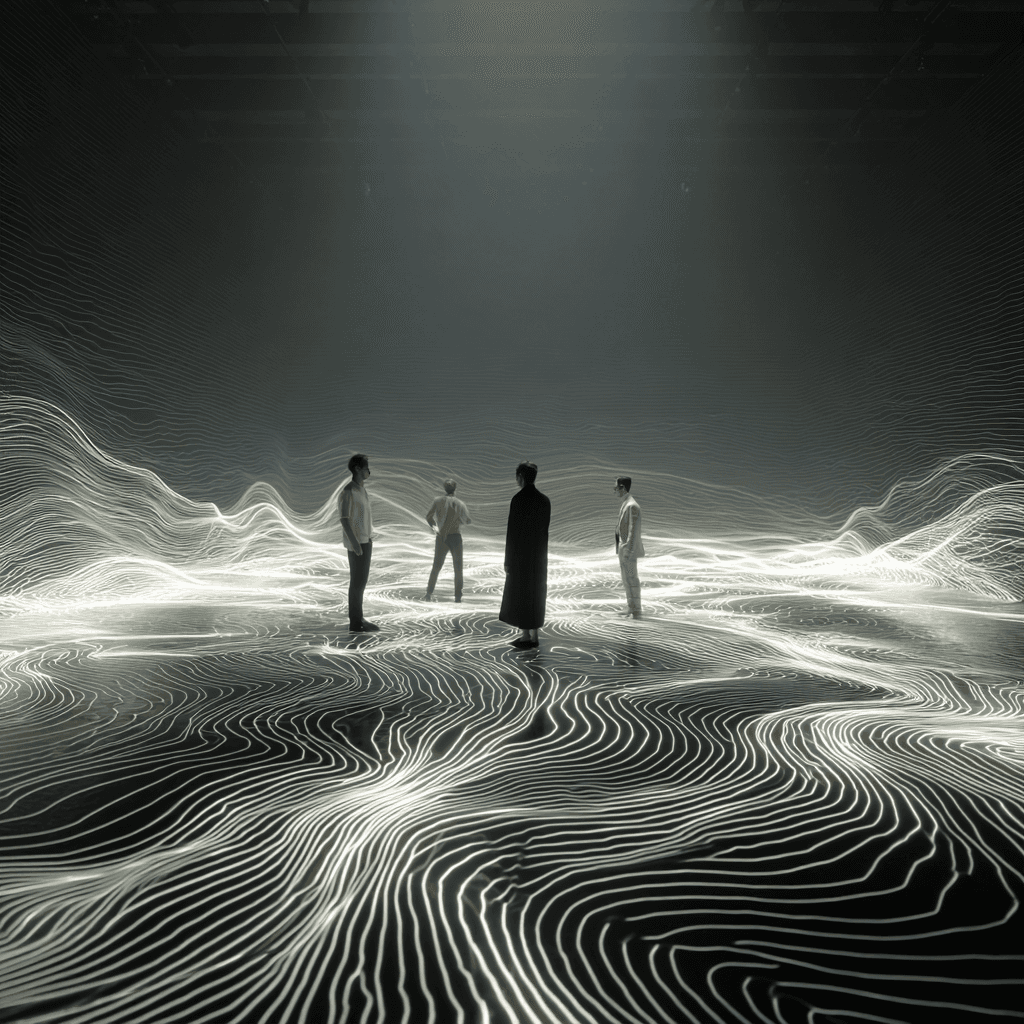
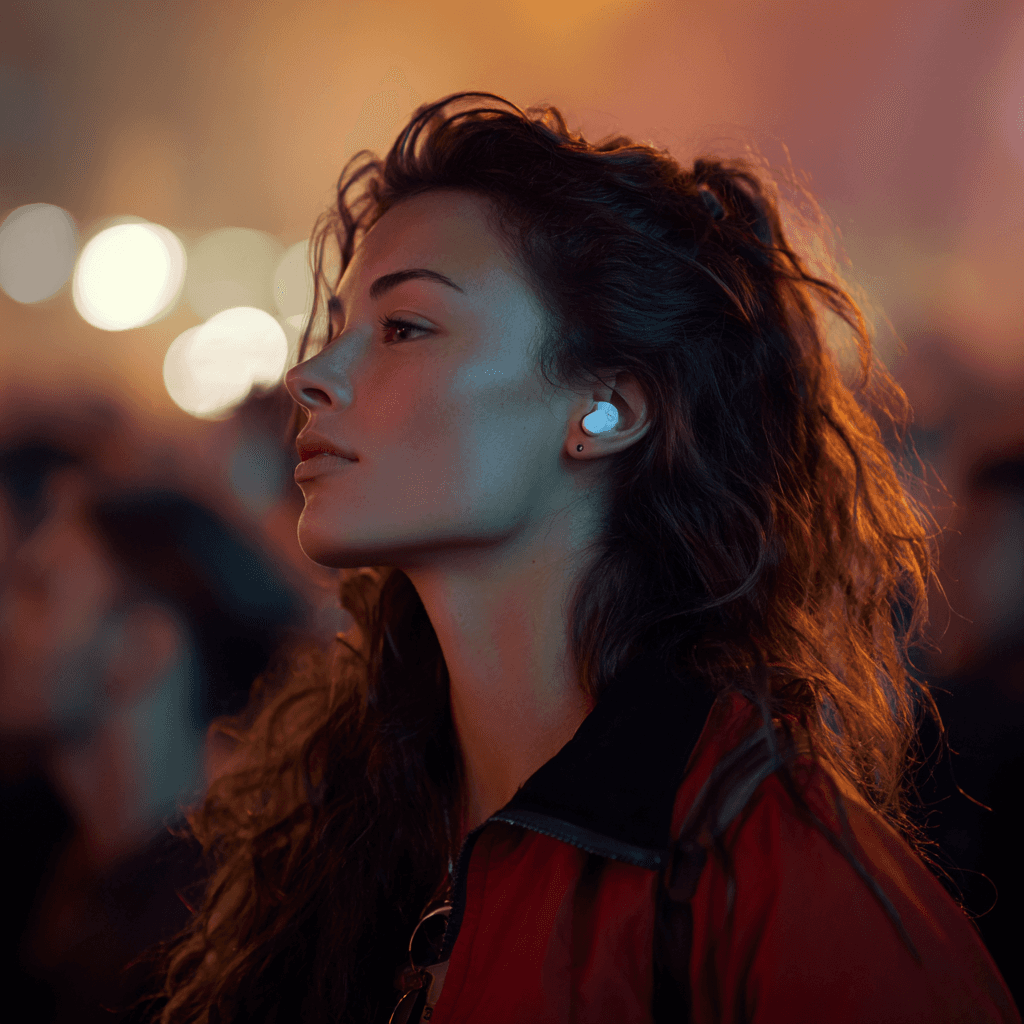
Sound changes mood without asking permission. It can turn a public space into a shared moment in seconds. Yet it is still treated as a background layer far too often. Brands add sound late, or treat it as branding, when what people actually respond to is care. Sound is human. It is rhythm, tension, release, silence. It is atmosphere you can feel in your body.
In an era of visual saturation, sonic design is a genuine advantage because it is harder to fake. It can create calm in a noisy city, anticipation before a reveal, or belonging through a shared pulse. When handled with restraint, sound becomes a kind of hospitality. It tells people how to be in a space without shouting at them.
If we want experiences to be remembered for how they made people feel, sound needs to be designed with the same seriousness as light and form.
Design sound as architecture.
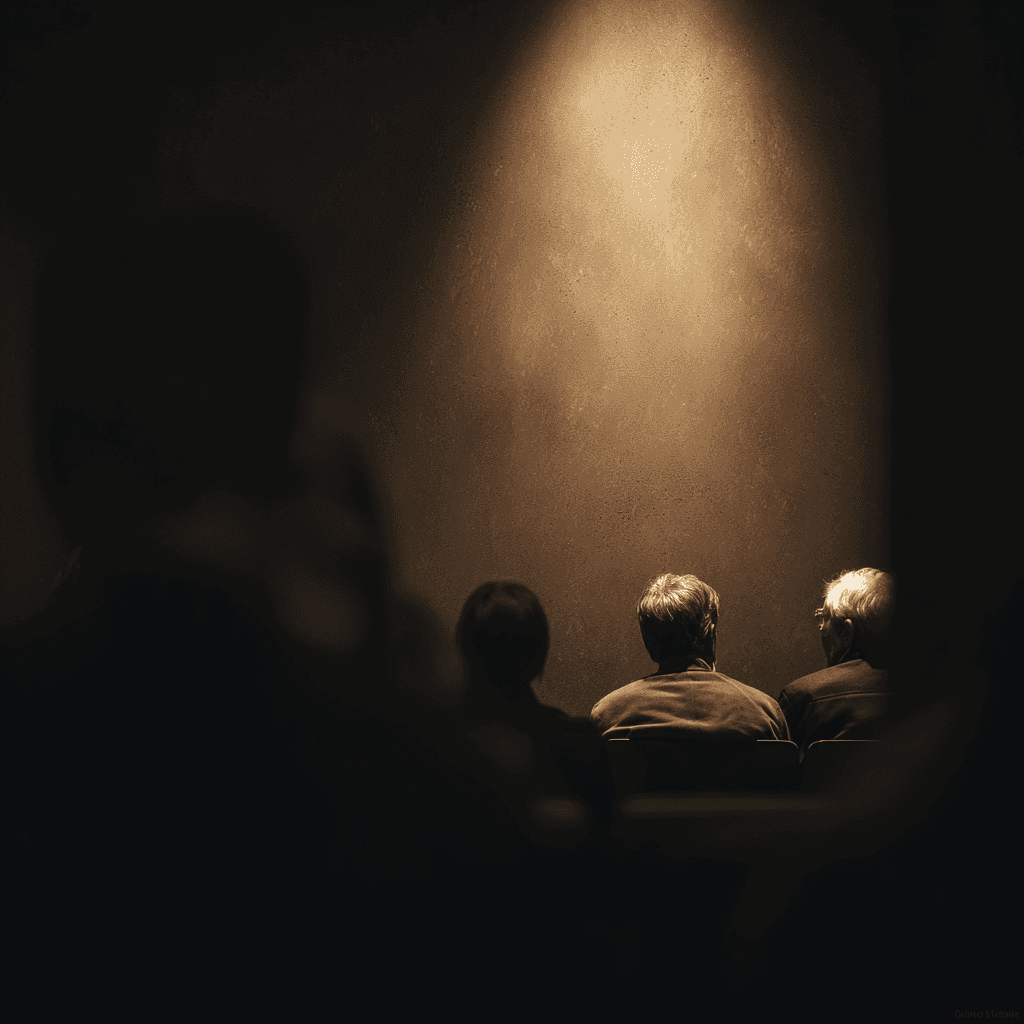
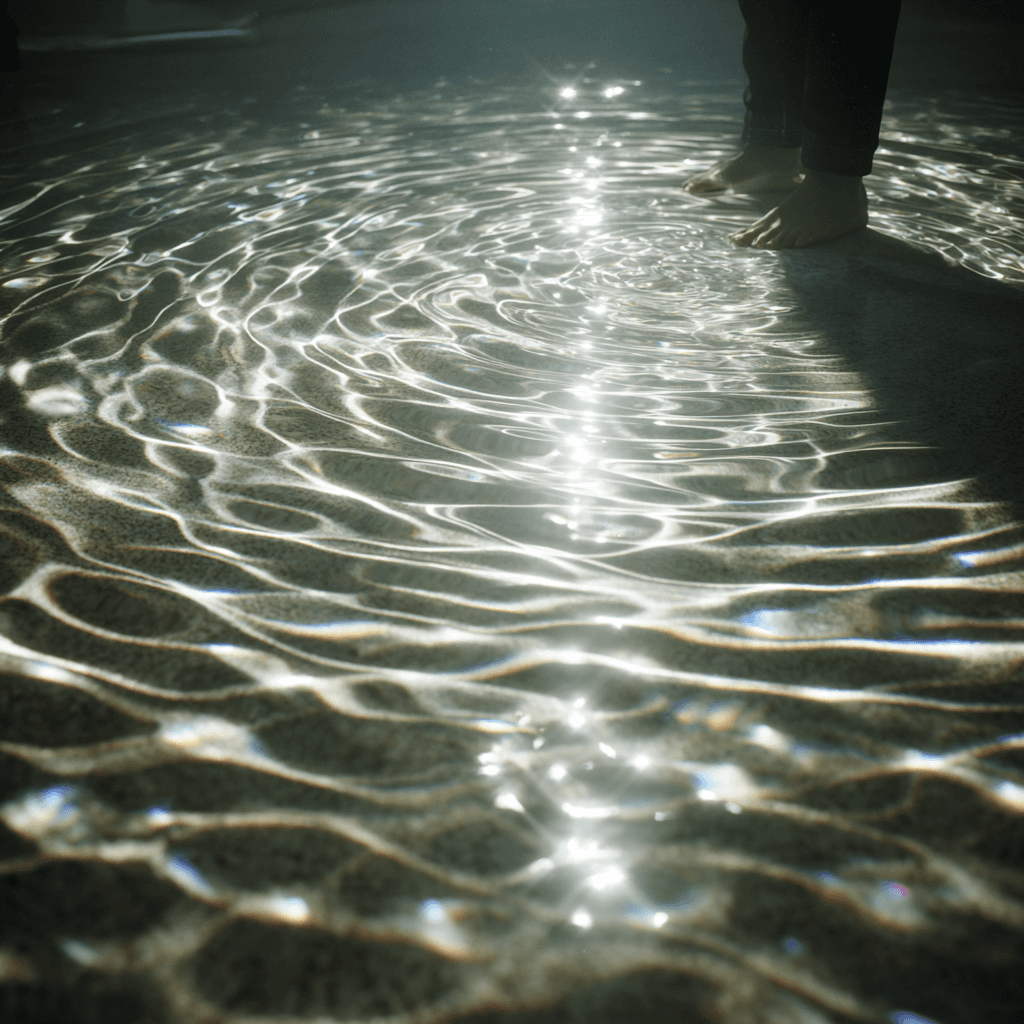
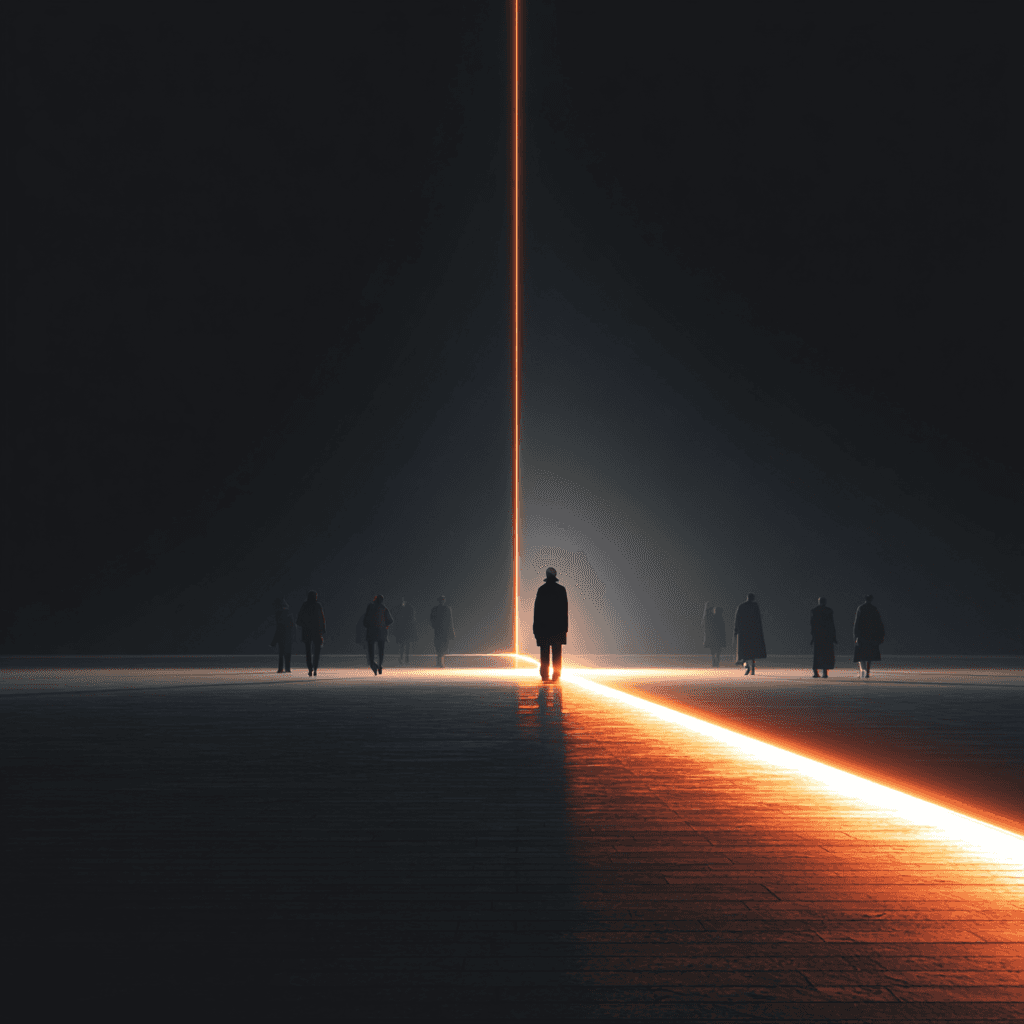
The strongest sonic work behaves like architecture. It guides movement, shapes pacing, and creates intimacy at scale. A subtle cue can slow a crowd. A tonal shift can signal a threshold. A shared beat can turn strangers into a temporary community. Even silence can be a deliberate choice that reads as confidence.
This matters for OOH and experiential because connection is physical. People do not just witness a moment. They inhabit it. Sonic identity also travels differently through culture. Visuals get posted. Sound gets recalled. A well designed sonic signature can bring the experience back instantly, long after the activation is gone.
For Hypercurate®, sound is part of integration. A tool to make experiences participatory, human, and emotionally precise. Not louder. Deeper.
More Than Sound: Sonic intimacy in shared space
Topic:
BRAND EXPERIENCE
Year:
21 Dec 2025
Audio carries emotion faster than visuals.
Sound changes mood without asking permission. It can turn a public space into a shared moment in seconds. Yet it is still treated as a background layer far too often. Brands add sound late, or treat it as branding, when what people actually respond to is care. Sound is human. It is rhythm, tension, release, silence. It is atmosphere you can feel in your body.
In an era of visual saturation, sonic design is a genuine advantage because it is harder to fake. It can create calm in a noisy city, anticipation before a reveal, or belonging through a shared pulse. When handled with restraint, sound becomes a kind of hospitality. It tells people how to be in a space without shouting at them.
If we want experiences to be remembered for how they made people feel, sound needs to be designed with the same seriousness as light and form.
Design sound as architecture.
The strongest sonic work behaves like architecture. It guides movement, shapes pacing, and creates intimacy at scale. A subtle cue can slow a crowd. A tonal shift can signal a threshold. A shared beat can turn strangers into a temporary community. Even silence can be a deliberate choice that reads as confidence.
This matters for OOH and experiential because connection is physical. People do not just witness a moment. They inhabit it. Sonic identity also travels differently through culture. Visuals get posted. Sound gets recalled. A well designed sonic signature can bring the experience back instantly, long after the activation is gone.
For Hypercurate®, sound is part of integration. A tool to make experiences participatory, human, and emotionally precise. Not louder. Deeper.
More Than Sound: Sonic intimacy in shared space
Topic:
BRAND EXPERIENCE
Year:
21 Dec 2025
Audio carries emotion faster than visuals.
Sound changes mood without asking permission. It can turn a public space into a shared moment in seconds. Yet it is still treated as a background layer far too often. Brands add sound late, or treat it as branding, when what people actually respond to is care. Sound is human. It is rhythm, tension, release, silence. It is atmosphere you can feel in your body.
In an era of visual saturation, sonic design is a genuine advantage because it is harder to fake. It can create calm in a noisy city, anticipation before a reveal, or belonging through a shared pulse. When handled with restraint, sound becomes a kind of hospitality. It tells people how to be in a space without shouting at them.
If we want experiences to be remembered for how they made people feel, sound needs to be designed with the same seriousness as light and form.
Design sound as architecture.
The strongest sonic work behaves like architecture. It guides movement, shapes pacing, and creates intimacy at scale. A subtle cue can slow a crowd. A tonal shift can signal a threshold. A shared beat can turn strangers into a temporary community. Even silence can be a deliberate choice that reads as confidence.
This matters for OOH and experiential because connection is physical. People do not just witness a moment. They inhabit it. Sonic identity also travels differently through culture. Visuals get posted. Sound gets recalled. A well designed sonic signature can bring the experience back instantly, long after the activation is gone.
For Hypercurate®, sound is part of integration. A tool to make experiences participatory, human, and emotionally precise. Not louder. Deeper.